这条提示通过将角色转换为40K风格的动力装甲战士,非常适合那些希望在中文营销场景中吸引科幻爱好者和游戏玩家的品牌。它适用于推广游戏、动漫、科幻小说等相关产品,能够激发用户的想象力和参与度。
中文 Prompt
今日的每日提示:40K动力装甲小队 ⚔️🛡️💜💚 今天的每日提示将你的角色变成40K风格的战士。是的,这之前已经做过,但我想要看看GPT 2现在能做得多好。 使用一个角色参考来创建单个战士,或附加多个角色参考来创建完整的小队。提示会根据每个参考图像创建单独可见的角色,并且没有头盔遮住他们的脸。 在顶部的场景选择器中输入你选择的场景,然后附上你的角色参考图像。 尝试以下场景: 残酷的战场冲锋、哥特式战舰登船行动、烛光圣殿世界大教堂、工业锻造世界、阴暗的地下城巷道、安静的非战斗状态军营场景、战前庄严祈祷。 享受这个提示吧 ⚔️🛡️ ... 提示从这里开始 ... 场景选择器:[在这里键入你想要的40K启发场景。] 示例: 穿过烟雾、火焰、弹坑和被毁的哥特式建筑的残酷战场冲锋、巨型战舰走廊内的登船行动、充满蜡烛、旗帜、彩绘玻璃和香烟雾的教堂般的圣殿世界内部、有火花、链条、熔融金属、管道和巨大机械的工业锻造世界、战术全息图和巨大的虚空窗口的指挥甲板、有管道、霓虹污垢、金属走道和城市衰败的阴暗地下城巷道、被残骸、倒下的敌人、燃烧的车辆和飘动的灰烬包围的英勇最后抵抗、堡垒军营内的安静非战斗状态场景(如军械库、车间、食堂或机库)、战前庄严祈祷(带有圣物、旗帜、蜡烛、香烟和神圣战争符号)、哥特式科幻军事要塞中的日常生活场景(如训练场、军械库、修理区或食堂)。 使用键入的场景选择器作为主要场景概念。 如果没有自定义场景,请选择最适合所附角色参考图像和整体角色氛围的示例场景。 适应环境、动作、姿势、道具、相机和情绪以匹配所选场景。 保持最终场景明显受到40K风格的阴暗未来哥特式军事科幻的启发。 严格的参考计数规则: 在创建图像之前,计算附加的角色参考图像数量。 根据每个附加的角色参考图像创建一个主要角色。 最终图像中的主要角色数量必须与附加的角色参考图像数量完全匹配。 如果附加了1个角色参考图像,则创建恰好1个主要角色。 如果附加了2个角色参考图像,则创建恰好2个主要角色。 如果附加了3个角色参考图像,则创建恰好3个主要角色。 如果附加了4个角色参考图像,则创建恰好4个主要角色。 如果附加了更多角色参考图像,则创建恰好相同数量的主要角色。 每个附加的角色参考图像是一个独立的人。 每个附加的角色参考图像必须仅出现一次,并且作为其自己的独特主要角色。 不要将任何附加的角色参考图像视为可选。 不要忽略、删除、替换、合并或简化任何附加的角色参考图像。 多角色身份规则: 使用每个附加的角色参考图像作为其自己的单独角色身份来源。 角色1必须仅基于第一个附加的角色参考图像。 角色2必须仅基于第二个附加的角色参考图像。 角色3必须仅基于第三个附加的角色参考图像。 角色4必须仅基于第四个附加的角色参考图像。 对于任何其他附加的角色参考图像,继续此模式。 不要使用第一个附加的角色参考图像来创建多个角色。 不要复制第一个角色来填充小组。 不要创建变体、双胞胎、克隆、替代服装、镜像副本、重新着色或稍微编辑的同一角色版本。 不要将两个或更多的附加角色参考合并成一个设计。 不要让一个角色的脸型、发型、颜色、服装图案、体型、物种特征或配饰取代另一个角色的身份。 单角色备用规则: 如果只附加了一个角色参考图像,则只创建一个主要角色。 不要创建小队、克隆组、双胞胎、替代版本、第二个战士、同伴或角色的复制品。 单个角色应保持为唯一的主题。 三角色优先规则: 如果附加了三个角色参考图像,则这是一个三角色小队图像。 所有三个参考角色必须一起出现在同一个场景中。 所有三张脸都必须可见。 所有三种装甲设计必须不同。 所有三个角色在构图中必须清晰地分开。 除非所选场景需要另一种明确的阵型,否则请使用可读的左-中-右小队排列。 角色参考规则: 保留每个附加角色的脸型、发型、发色、眼睛颜色、表情、肢体语言、标志性色彩方案、服装图案、配饰、轮廓、物种特征、比例和整体角色氛围。 最终图像必须清楚地显示每个附加角色作为单独的、可识别的个体。 每个角色都必须仍然看起来像他们自己的附加参考图像。 保持每个角色的头部未被覆盖,没有头盔、全脸面罩或护目镜遮住脸部。 每个参考角色的脸部、头发和身份必须保持清晰可见。 坚硬风格规则: 使用附加的角色参考图像作为最终图像的视觉风格参考。 保持附加参考图像的视觉艺术风格、渲染语言、线条质量、色彩处理、面部风格化、阴影风格、纹理处理、背景处理和整体风格化,同时将角色转换为40K启发的动力装甲战士。 如果参考图像是动漫,保持它们是动漫。如果是风格化的,保持那种风格化。 除非特别要求,否则不要将最终图像变成照片级真实感。 场景概念: 创建一个基于场景选择器中写的场景的16:9水平宽屏电影插图。 显示附加角色或角色转换为自定义的40K启发的阴暗未来动力装甲战士。 图像应该感觉沉重、戏剧性、神话般、战争化和以角色为中心,具有强烈的氛围、清晰的故事讲述和强大的规模感。 角色转换: 将每个附加的参考角色转换为自定义的40K启发的动力装甲版本,同时保留他们的原始身份。 重新设计应以巨大的风格化动力装甲为中心,配有宽阔的肩甲、加固的胸甲、重型手套、装甲靴、厚实的机械关节、哥特式科幻军事细节、神圣战士装饰、战场磨损和超大的未来武器。 装甲必须感觉威严、残酷、仪式化、昂贵,并且为无尽的战争而设计。 保持头部未被覆盖,使每个角色的原始脸型、头发和表情保持可见。 使用每个附加角色的颜色、图案、配饰、服装形状、符号、材料、个性和整体氛围作为其装甲重新设计的基础。 装甲应该感觉属于40K启发的宇宙,但它必须从附加角色自己的身份定制构建。 如果存在多个角色,每个角色必须有基于其自己原始参考的独特装甲设计,而不是穿着相同的套装。 装甲设计: 给每个角色巨大的未来动力装甲,灵感来自40K风格的阴暗哥特式科幻战争。 包括宽阔的肩甲、坚固的胸甲、分层的装甲段、机械关节、加固的大腿、重型靴子、厚实的手套、电源电缆、通风口、密封件、类似遗物的细节、雕刻的板、纯洁卷轴般的装饰、战斗损伤和角色特定的符号。 使每个装甲设计适应该角色的原始风格、色彩方案、服装图案、配饰、个性和轮廓。 保持装甲风格化,以匹配附加的参考图像,而不是现实主义。 武器设计: 给每个角色适合的超大未来武器,灵感来自40K风格的阴暗科幻战争。 武器可以是重型爆炸科幻步枪、巨大的能量武器、残酷的机动锯齿近战武器、发光的能量刀、仪式战锤、等离子炮、重型手枪或其他适合其氛围和角色的远未来战场武器。 每个角色的武器应该是不同的,并且应该与其身份、装甲设计和在场景中的角色相匹配。 如果选定的场景是平静的、仪式性的或非战斗状态,武器可以放在休息位置、挂在身上、放在桌子上或以仪式方式携带,但仍然应该是可见的。 如果选定的场景是战斗密集型的,使每件武器活跃、重量感强、易于阅读并融入姿势。 场景适应规则: 如果选定的场景是战斗密集型的,使动作动态但易于阅读,具有强烈的姿势、清晰的轮廓、环境破坏、烟雾、火焰、碎片和强烈的方向感。 如果选定的场景是庄严的、神圣的或仪式性的,重点在于氛围、规模、旗帜、圣物、蜡烛、香烟、彩绘玻璃和崇敬的氛围。 如果选定的场景是室内,使用哥特式科幻建筑、工业机械、教堂规模的内部、堡垒空间、军械库、军营、指挥室或适合选定地点的军事基础设施。 如果选定的场景是日常生活或非战斗状态,保持装甲和40K启发的宇宙完整,但展示角色或角色在一个接地的时刻,如维护、简报、祈祷、对话、进食、休息、训练、修理装备或准备设备。 如果存在多个角色,使其互动清晰易读,每个角色都在场景中发挥作用,而不是作为模糊的复制品。 环境和构图: 围绕选定的场景构建环境。 设置应该感觉像是角色或角色自然属于的地方,一旦翻译成40K启发的阴暗未来战争宇宙。 使用宽16:9的水平电影构图。 保持主要主题或主题清晰可见、居中或构图上占主导地位,并且一眼就能看懂。 如果存在一个角色,给他们一个强大的英雄构图,具有清晰的轮廓和主导的视觉存在感。 如果存在多个角色,安排他们使每个角色都清晰可辨并具有干净的轮廓分离。 对于三个附加参考,使用一个清晰的三人小队构图,所有三张脸都可见。 使用背景建筑、烟雾、碎片、旗帜、机械、火花、烟雾、圣物、哥特式形状或教堂般的规模来支持场景,而不压倒角色。 照明和氛围: 使用与选定场景匹配的照明。 图像应该感觉阴暗、电影般、史诗般和沉浸式,具有戏剧性的对比和强烈的氛围。 使用战场火光、烟雾、彩绘玻璃的光芒、冷战舰照明、工业火花、忧郁的边缘光、香烟雾、严厉的军事照明、发光的机械或远处的爆炸。 氛围应该感觉强大、战争化、神圣、残酷,并且具有角色特定的感觉,同时仍然反映每个原始角色的个性。 质量和渲染: 抛光、高级质量的风格化插图,具有干净的线条、清晰的渲染、易于阅读的形式、强大的装甲设计、表情丰富的可见脸部、强大的武器设计和清晰的构图。 保持最强的细节集中在引用的角色或角色、他们的装甲、他们的脸和他们的武器上。 保持强大的视觉层次和可读性。 背景应该支持角色,而不是比他们更忙乱。 不要: 不要忽略场景选择器。 不要创建多于或少于附加角色参考图像数量的主要角色。 如果附加了三个角色参考图像,不要只创建两个角色。 不要用第一个附加角色代替使用第二个或第三个参考。 不要将多个附加参考合并成较少的角色。 不要将任何引用的角色变成另一个引用角色的克隆、双胞胎、重新着色、装甲变体或替代版本。 不要隐藏、裁剪、遮盖任何引用角色的脸。 如果提供了多个参考,不要让每个角色都穿着相同的相同装甲。 不要让武器变得微小、现代、玩具般的或视觉上不重要。 不要让背景比角色更忙乱。 不要让主要主题模糊、微小、隐藏或难以阅读。 不要创建混乱的解剖结构、额外的肢体、畸形的手、扭曲的脸或模糊的纹理。 除非特别要求,否则不要使用照片级真实感。
查看英文原 Prompt(保味自跑用)
Prompt of the Day: 40K POWER ARMOUR SQUAD ⚔️🛡️💜💚

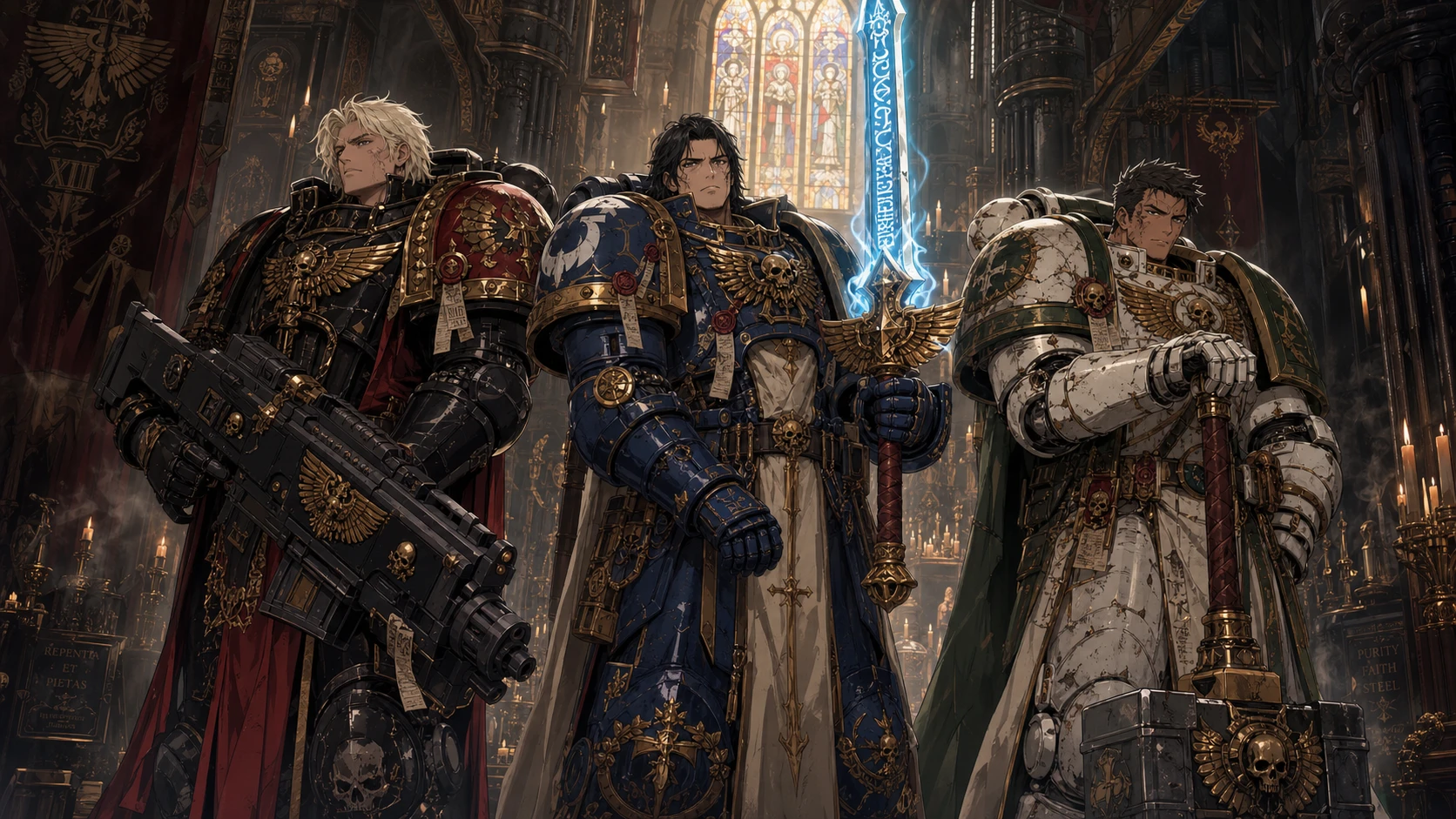
Today’s Prompt of the Day turns your characters into a 40K-inspired warriors. Yes this was done before but i wanted to see how much better GPT 2 can do it now

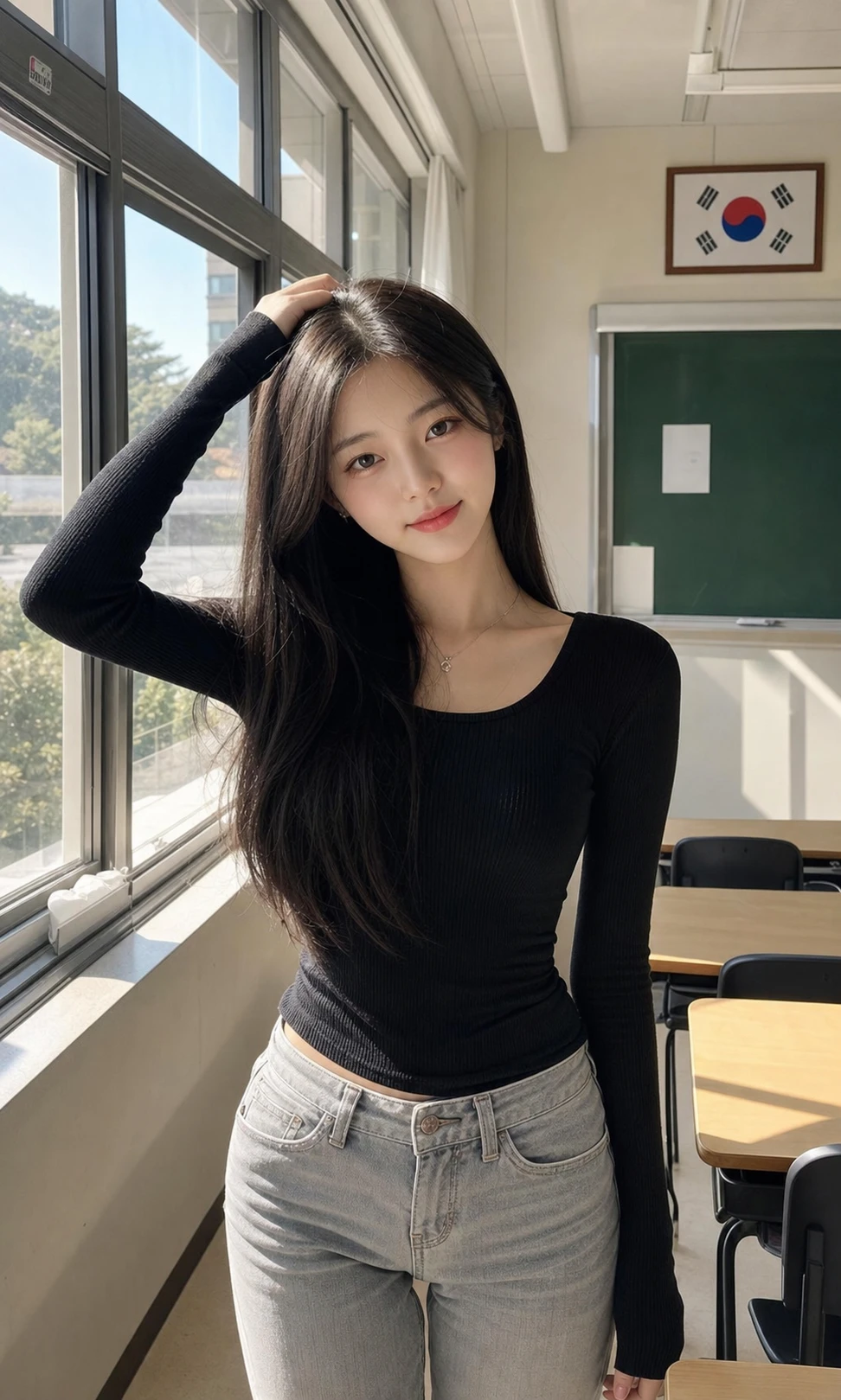
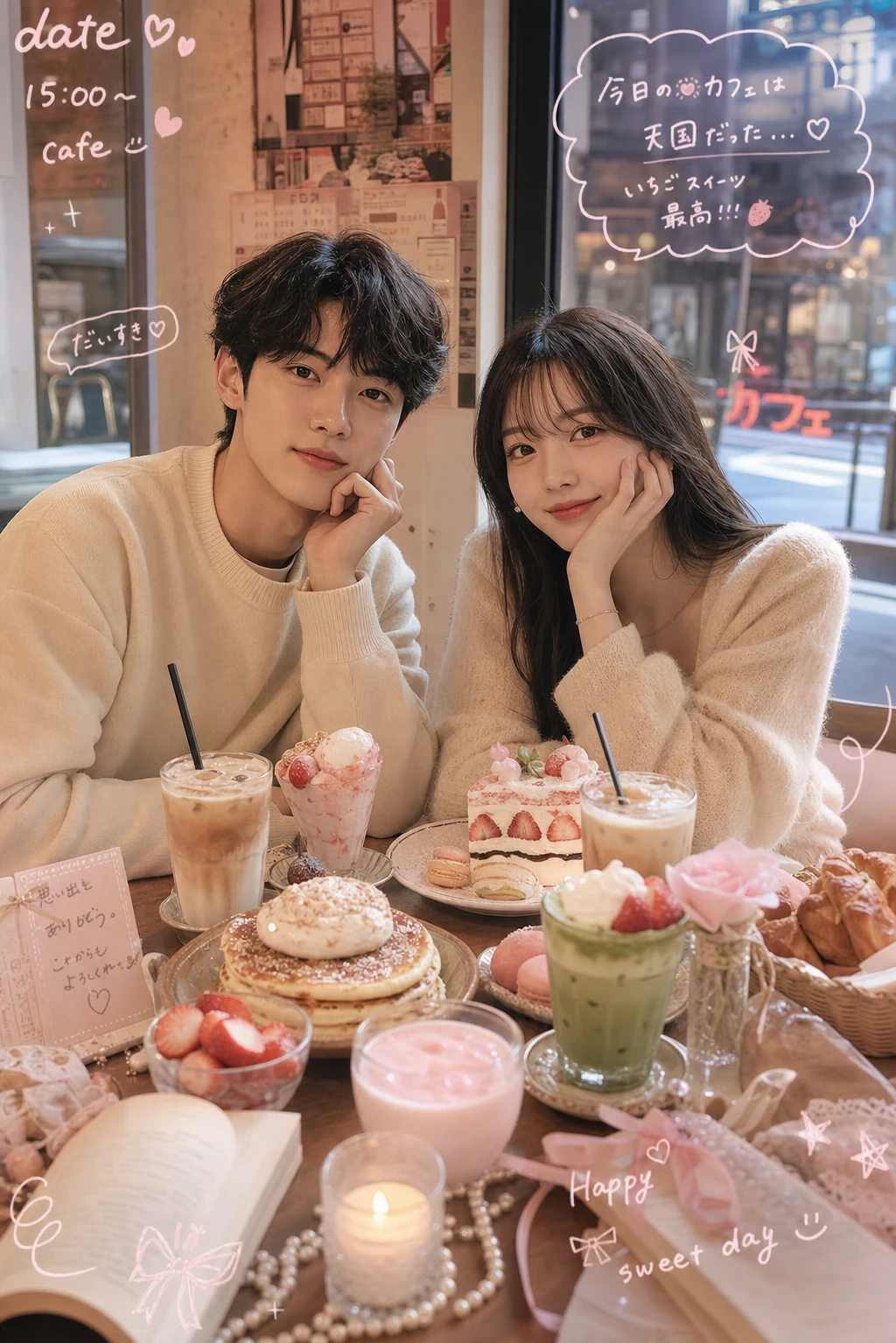
Use one character reference for a solo warrior, or attach multiple character references to create a full squad. The prompt is built to count every reference image and turn each one into a separate visible character, with no helmets covering their faces.

Type your chosen scene into the SCENE SELECTOR at the top, then attach your character reference image or images.

Try scenes like:

a brutal battlefield charge
a gothic starship boarding action
a candlelit shrine world cathedral
an industrial forge world
a grim underhive alley
a quiet off-duty barracks scene
a solemn prayer before battle

Have fun with this one ⚔️🛡️

............................PROMPT STARTS HERE............................

SCENE SELECTOR:
[Type the 40K-inspired scene you want here.]
Examples:

brutal battlefield charge through smoke, fire, shell craters, and ruined gothic architecture

boarding action inside a colossal warship corridor
cathedral-like shrine world interior filled with candles, banners, stained glass, and incense haze
industrial forge world with sparks, chains, molten metal, pipes, and huge machinery
command deck before battle with tactical holograms and vast void windows
grim underhive alleyway with pipes, neon grime, metal walkways, and urban decay
heroic last stand surrounded by wreckage, fallen enemies, burning vehicles, and drifting ash
quiet off-duty scene inside a fortress barracks, armoury, workshop, canteen, or hangar
solemn prayer before battle with relics, banners, candles, incense smoke, and sacred war symbols
everyday-life scene in a gothic sci-fi military stronghold, training yard, armoury, repair bay, or mess hall
Use the typed scene selector as the main scene concept.
If no custom scene is typed, choose one of the example scenes that best fits the attached character reference image or images and the overall character vibe.
Adapt the environment, action, pose, props, camera, and mood to match the selected scene.
Keep the final scene clearly inspired by 40K-style grimdark far-future gothic military sci-fi.

STRICT REFERENCE COUNT RULE:
Before creating the image, count the number of attached character reference images.
Create exactly one main character from each attached character reference image.
The number of main characters in the final image must exactly match the number of attached character reference images.
If 1 character reference image is attached, create exactly 1 main character.
If 2 character reference images are attached, create exactly 2 main characters.
If 3 character reference images are attached, create exactly 3 main characters.
If 4 character reference images are attached, create exactly 4 main characters.
If more character reference images are attached, create exactly that same number of main characters.
Each attached character reference image is a separate person.
Each attached character reference image must appear once and only once as their own distinct main character.
Do not treat any attached character reference image as optional.
Do not ignore, drop, replace, combine, or simplify any attached character reference image.

MULTI-CHARACTER IDENTITY RULE:
Use every attached character reference image as its own separate character identity source.
Character 1 must be based only on the first attached character reference image.
Character 2 must be based only on the second attached character reference image.
Character 3 must be based only on the third attached character reference image.
Character 4 must be based only on the fourth attached character reference image.
Continue this pattern for any additional attached character reference images.

Do not use the first attached character reference image to create multiple characters.
Do not duplicate the first character to fill the group.
Do not create variations, twins, clones, alternate outfits, mirrored copies, recolours, or slightly edited versions of the same character.
Do not merge two or more attached character references into one design.
Do not let one character’s face, hairstyle, colours, outfit motifs, body type, species traits, or accessories replace another character’s identity.
SINGLE-CHARACTER FALLBACK RULE:
If only one character reference image is attached, create one main character only.
Do not create a squad, clone group, twin, alternate version, second warrior, companion, or duplicate of the character.
The single character should remain the only main subject.

THREE-CHARACTER PRIORITY RULE:
If three character reference images are attached, this is a three-character squad image.
All three referenced characters must appear together in the same scene.
All three faces must be visible.
All three armour designs must be distinct.
All three characters must be clearly separated in the composition.
Use a readable left-center-right squad arrangement unless the selected scene needs another clear formation.
CHARACTER REFERENCE RULES:
Preserve each attached character’s face shape, hairstyle, hair colour, eye colour, expression, body language, signature colour palette, outfit motifs, accessories, silhouette, species traits, proportions, and overall character vibe.
The final image must clearly show every attached character as a separate, recognizable individual.
Every character must still clearly look like their own attached reference image.

Keep each character’s head uncovered with no helmet, full face mask, or visor covering the face.
The face, hair, and identity of every referenced character must remain clearly visible.
Hard style rule:
Use the attached character reference image or images as the visual style reference for the final image.
Preserve the visual art style, rendering language, line quality, colour handling, facial stylization, shading style, texture treatment, background treatment, and overall stylization of the attached reference image or images while transforming the character or characters into 40K-inspired power-armoured warriors.
If the references are anime, keep them anime. If they are stylized, keep that stylization.
Do not turn the final image photorealistic unless specifically requested.
Scene concept:
Create a 16:9 horizontal widescreen cinematic illustration based on the scene written in the SCENE SELECTOR.
Show the attached character or characters transformed into custom 40K-inspired grimdark far-future power-armoured warriors.
The image should feel heavy, dramatic, mythic, warlike, and character-driven, with strong atmosphere, clear storytelling, and a powerful sense of scale.

Character transformation:
Transform every attached reference character into a custom 40K-inspired power-armoured version of themselves while preserving their original identity.
The redesign should center on massive stylized power armour with broad shoulder plates, reinforced chest armour, heavy gauntlets, armoured boots, thick mechanical joints, gothic sci-fi military detailing, sacred-warrior ornamentation, battlefield wear, and an oversized futuristic weapon.
The armour must feel imposing, brutal, ceremonial, expensive, and engineered for endless war.
Keep the head uncovered so each character’s original face, hair, and expression remain visible.
Use each attached character’s colours, motifs, accessories, outfit shapes, symbols, materials, personality, and overall vibe as the foundation for their armour redesign.
The armour should feel like it belongs in a 40K-inspired universe, but it must be custom-built from the attached character’s own identity.
If multiple characters are present, each one must have a distinct armour design based on their own original reference rather than all wearing identical suits.
Armour design:
Give each character huge futuristic power armour inspired by 40K-style grimdark gothic sci-fi warfare.
Include broad pauldrons, a strong chest plate, layered armour segments, mechanical joints, reinforced thighs, heavy boots, thick gauntlets, power cables, vents, seals, relic-like details, engraved plates, purity-scroll-like decorations, battle damage, and character-specific symbols.
Adapt each armour design to that character’s original style, colour palette, outfit motifs, accessories, personality, and silhouette.
Keep the armour stylized to match the attached reference image or images rather than realistic.

Weapon design:
Give each character a fitting oversized futuristic weapon inspired by 40K-style grimdark sci-fi warfare.
The weapon can be a heavy explosive sci-fi rifle, massive energy weapon, brutal motorized serrated melee weapon, glowing power blade, ceremonial war hammer, plasma-like cannon, heavy pistol, or other far-future battlefield weapon appropriate to their vibe and role.
Each character’s weapon should be different and should match that character’s identity, armour design, and role in the scene.
If the selected scene is calm, ceremonial, or off-duty, the weapon may be held at rest, slung, holstered, leaned nearby, placed on a table, or carried ceremonially, but it should still be visible.
If the selected scene is battle-heavy, make each weapon active, weighty, readable, and integrated into the pose.
Scene adaptation rules:
If the selected scene is battle-heavy, make the action dynamic but readable, with strong poses, clear silhouettes, environmental destruction, smoke, fire, debris, and a strong sense of momentum.
If the selected scene is solemn, sacred, or ceremonial, focus on mood, scale, banners, relics, candles, incense, stained glass, and reverent atmosphere.
If the selected scene is indoors, use gothic sci-fi architecture, industrial machinery, cathedral-scale interiors, fortress spaces, armouries, barracks, command rooms, or military infrastructure that fit the selected location.
If the selected scene is everyday-life or off-duty, keep the armour and 40K-inspired universe intact, but show the character or characters in a grounded moment such as maintenance, briefing, prayer, conversation, eating, resting, training, repairing gear, or preparing equipment.
If multiple characters are present, make their interaction clear and readable, with each one contributing to the scene rather than standing as vague duplicates.
Environment and composition:
Build the environment around the selected scene.
The setting should feel like the kind of place the character or characters naturally belong in once translated into a 40K-inspired grimdark far-future war universe.
Use a wide 16:9 horizontal cinematic composition.
Keep the main subject or subjects clearly visible, central or compositionally dominant, and easy to read at a glance.
If one character is present, give them a strong hero composition with a clear silhouette and dominant visual presence.
If multiple characters are present, arrange them so every character remains readable and identifiable with clean silhouette separation.
For three attached references, use a clear three-person squad composition with all three faces visible.
Use background architecture, smoke, debris, banners, machinery, sparks, haze, relics, gothic shapes, or cathedral-like scale to support the scene without overpowering the characters.
Lighting and mood:
Use lighting that matches the selected scene.
The image should feel grim, cinematic, epic, and immersive, with dramatic contrast and strong atmosphere.
Use battlefield firelight, smoky haze, stained-glass glow, cold ship lighting, industrial sparks, moody rim light, incense haze, harsh military illumination, glowing machinery, or distant explosions where appropriate.
The mood should feel powerful, warlike, sacred, brutal, and character-specific while still reflecting each original character’s personality.
Quality and rendering:
Polished, premium-quality stylized illustration with clean linework, crisp rendering, readable forms, powerful armour design, expressive visible faces, strong weapon design, and clear composition.
Keep the strongest detail concentrated on the referenced character or characters, their armour, their faces, and their weapons.
Maintain strong visual hierarchy and readability.
The background should support the characters rather than becoming busier than them.

Do not:
Do not ignore the SCENE SELECTOR.
Do not create more or fewer main characters than the number of attached character reference images.
Do not create only two characters if three character reference images are attached.
Do not duplicate the first attached character instead of using the second or third reference.

Do not merge multiple attached references into fewer characters.
Do not make any referenced character a clone, twin, recolour, armour variant, or alternate version of another referenced character.
Do not hide, crop, mask, or cover any referenced character’s face.
Do not make every character wear the same identical armour if multiple references are provided.

Do not make the weapon tiny, modern, toy-like, or visually unimportant.
Do not make the background busier than the characters.
Do not make the main subjects blurry, tiny, hidden, or unreadable.
Do not create messy anatomy, extra limbs, malformed hands, distorted faces, or muddy textures.
Do not use photorealism unless specifically requested.

..............................END OF PROMPT..................................
#POTD #promptoftheday #AI #AiArt #Art #AnimeArt #40K #Grimdark #PowerArmour #SciFi #CharacterDesign #DigitalArt #AnimeStyle #CommunityPrompt
想用这个 Prompt 自己生成一张?
查看生成方法懒得抄 prompt?这些填空模板直接用
全部 3 个 →把 {变量} 换成你的产品 / 文案,复制即用,无需懂 prompt 工程。